The Growth of CBD: Trends, Products, and What’s Next
In the past few years, the interest of cannabidiol, commonly known as CBD, has surged across multiple markets, capturing the attention of buyers and firms alike. Once dwarfed by its more well-known cousin, THC, CBD has emerged as a significant player in well-being, cosmetics, and personal care sectors. This compound, derived from the hemp plant, offers a multitude of potential benefits without the intoxicating effects, making it an appealing option for those seeking holistic alternatives for well-being and calm.
As consumers become more educated about cannabinoids, fashions are evolving rapidly. From topical infused with CBD to fragrant oils and food products, the selection of products available is staggering. Alongside CBD, other cannabinoids such as CBN, CBG, and even Delta-9 THC are gaining traction, each with individual properties and potential benefits. With ongoing research and broadening acceptance, the market is set to grow further, and market analysts are keen to see what innovations will come next in the realm of cannabinoid-based solutions.
Understanding CBD and Its Advantages
CBD, widely recognized as CBD, is a organic compound found in the hemp plant. Unlike its more popular counterpart, THC, CBD doesn’t trigger a psychoactive impact, making it an appealing alternative for those seeking ease without the euphoria. CBD works with the body's endocannabinoid system, which plays a key role in controlling various physiological functions, including emotional state, rest, and immune response.
The potential health gains of CBD have garnered substantial interest in the past few months. Investigations suggests that CBD may help reduce worry and sadness, diminish irritation, and provide pain relief. Additionally, some investigations indicate that CBD can assist in enhancing restful sleep, making it a favored choice for those struggling with sleep disturbances. As more consumers seek herbal cures, CBD has found its way into various offerings, from oils and extracts to food products and creams.
Apart from its soothing effects, CBD is often talked about in the context of other cannabis compounds, such as CBN and CBG. While CBD is known for its beneficial effects, CBN is thought to have sedative effects, which can promote restfulness. CBG, on the other hand, is becoming recognized for its potential neuroprotective benefits. Together, these cannabinoids constitute a thriving field of research, as researchers continue to explore their joint benefits and the total benefits they offer.
Exploring This Cannabinoid: The Sleep Aid
CBN, or CBN, is gaining attention as a organic sleep aid in the dynamic landscape of cannabinoids. Unlike CBD, which is commonly associated with relaxation and soothing anxious feelings, CBN is often touted for its sleep-inducing properties. This cannabinoid is produced when THC decomposes, making it a unique compound with unique effects on the body. As an increasing number of wellness enthusiasts look for natural alternatives to sleeping pills, CBN is stepping into the spotlight as a potential solution for those struggling with insomnia or irregular sleep patterns.
Research suggests that CBN may boost the body's natural sleep mechanisms. Some studies have revealed that it can encourage feelings of drowsiness, aiding users to fall asleep faster and sleep longer. This could turn out to be a major benefit, particularly for people who find traditional sleep medications ineffective or face unwanted side effects. As consumers gain more knowledge, the demand for CBN-infused products, such as oils, capsules, and edibles, is on the rise, reflecting a shift towards natural health options.
The prospects of CBN in sleep aid products looks promising. As the cannabinoid market proceeds to expand, brands are creating to create specialized formulations that combine CBN with other beneficial cannabinoids like CBD and CBG. These combinations aim to utilize the cooperative effects of various cannabinoids, potentially enhancing their effectiveness as sleep aids. As the research community explores into the science of cannabinoids, we can hope for more findings that strengthen CBN’s position as a go-to option for those looking for serene sleep and refreshing sleep.
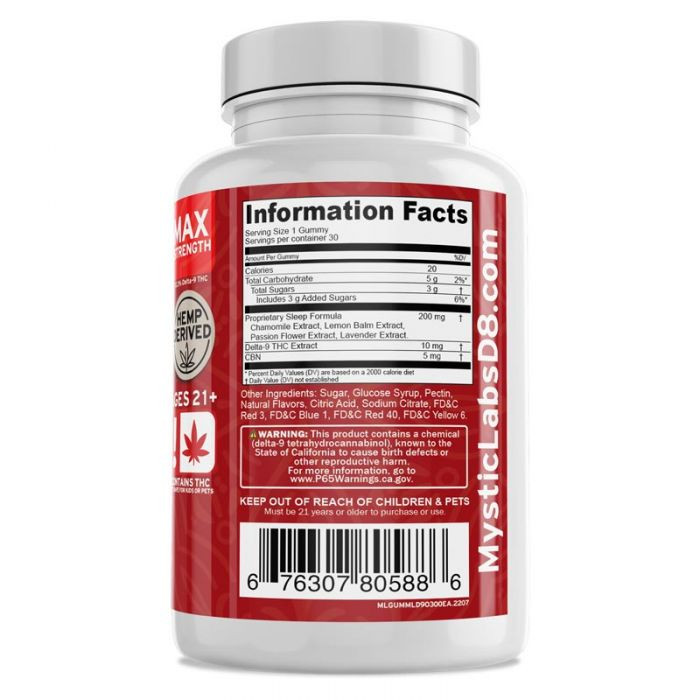
Delta-9 THC: Consequences and Legal Status
Delta-9 THC, or tetrahydrocannabinol, is the chief psychoactive compound found in marijuana. It is responsible for the euphoric high often associated with marijuana use. Users report a range of effects, including heightened sensory perception, relaxation, and altered time perception. However, Delta-9 THC can also cause adverse effects such as anxiety, paranoia, and accelerated heart rate, especially in those who are novice or consume high doses.
Legality surrounding Delta-9 THC varies significantly from area to area. In the United States, Delta 9 THC remains designated as a Schedule I substance under federal law, making it prohibited for recreational use. However, numerous states have enacted laws permitting the legal sale and consumption of Delta-9 THC products, both for therapeutic and recreational purposes. As cannabis legalization continues to progress, consumers need to stay informed about the specific laws applicable in their areas.
The difference between Delta-9 THC and other cannabinoids like CBD and CBN is crucial in the ongoing debate about cannabis legislation. While CBD and CBG are generally accepted and even legal due to their non-intoxicating properties, Delta-9 THC remains a point of controversy. As more research emerges on the benefits and risks linked to Delta 9 THC, its legal status may continue to change, possibly leading to broader acceptance in various regions across the world.
The Rise of CBG: The Next Cannabinoid
As the popularity of cannabidiol continues to rise, another compound is beginning to gain the attention of consumers and industry experts alike: cannabigerol, or cannabigerol. Often referred to as the foundational element of all cannabinoids, cannabigerol is a non-intoxicating compound that plays a crucial role in the formation of other cannabinoids such as cannabidiol and tetrahydrocannabinol. While CBD has led the market, cannabigerol is rising as a competitor, with unique properties that could make it a key player in the cannabis industry.
Research suggests that cannabigerol may offer various potential health benefits, including anti-inflammatory, antibacterial, and brain-protecting effects. Its connections with the endocannabinoid network may help manage processes such as mood stability, discomfort, and appetite. As more studies reveal the healing potential of cannabigerol, interest in this obscure cannabinoid is increasing, leading to an increase in CBG-rich products, from extracts and drops to edibles and topicals.
Moreover, consumers are becoming more educated about the various cannabinoids on the market, leading to a shift in demand. As they seek out products that deliver comprehensive health benefits without the mind-altering effects of THC, CBG is poised to become a preferred choice among wellness enthusiasts. With its promising properties and rising visibility, cannabigerol is expected to play a significant role in the evolution of the hemp landscape, complementing the current offerings of cannabidiol and other cannabinoids.
Latest Cannabidiol Goods Developments
The popularity of Cannabidiol has caused a diverse array of offerings that cater to various consumer needs and wants. One major trend is the rise of Cannabidiol-infused edibles, which comprise gummies, choco, and drinks. These products appeal to those desiring a easy and tasty way to add CBD into their routine practices. The adaptability of edibles allows companies to create with tastes and recipes, making CBD consumption more pleasurable for a wider market.
Topical products are another notable trend within the CBD market. Lotions, balms, and extracts infused with Cannabidiol are progressively used for specific relief of discomfort, inflammation, and skin ailments. As consumers become more informed about the therapeutic properties of CBD, the need for these external remedies has surged. Brands are also trying with merging CBD with additional advantageous ingredients, such as Cannabigerol and essential oils, to improve the overall efficacy of their offerings.
The rise of whole-plant and wide-range CBD offerings is another significant trend affecting consumer decisions. These compositions consist of a selection of cannabinoids, such as Cannabinol and trace amounts of tetrahydrocannabinol, providing an synergistic effect that may improve the benefits associated with Cannabidiol alone. As investigations continues to discover the distinct properties of different cannabis compounds, including Delta-9 THC and its potential effects, consumers are probable to look for goods that deliver a more holistic approach to their wellness demands.
Traversing the CBD Industry
As the CBD market continues to grow, consumers are faced with a wide variety of choices and products. It's essential to comprehend the distinctions between Cannabidiol and associated compounds like Cannabinol, Cannabigerol, and various forms of THC, including Delta-9 THC. Each cannabinoid offers distinct properties and potential health benefits, which can affect your choices. For instance, CBN is often linked to sedative properties, while Cannabigerol may provide inflammation-reducing benefits. Being educated about these differences can help consumers make informed decisions based on their individual needs.
Quality assurance is another critical consideration when navigating the Cannabidiol market. With a broad spectrum of products available, from oils and tinctures to gummies and topicals, it's essential to seek out reputable brands that value transparency and third-party testing. Consumers should look for products that provide testing results, which verify the cannabinoid content and ensure the absence of harmful contaminants. This diligence can enhance confidence in the chosen products and contribute to a beneficial experience.
Additionally, as regulations surrounding CBD and related compounds change, staying updated about regulatory changes is crucial. The environment can change quickly, affecting the availability of certain products or modifying guidelines around consumption and sale. Following sector updates and information from reliable sources can help consumers manage this dynamic market and adapt to any changes that may arise, ensuring they are consistently equipped to make smart choices about their health and wellness.
The Future of Cannabis Compounds
As the marijuana industry keeps to evolve, the outlook of cannabinoids seems bright with a emphasis on research and advancement. The growing understanding of CBD's therapeutic potential has opened doors for the study of other cannabinoids such as CBN, CBG, and Delta-9 THC. Users are becoming more knowledgeable and are desiring products that provide focused relief, leading to a widening of cannabinoid choices in the marketplace. This trend suggests that we will see a increase in products that mix multiple cannabinoids for improved benefits.
Regulatory changes are also anticipated to shape the outlook of cannabinoids. As more states and countries legalize cannabis in various forms, companies are seeking to create hemp-based products that meet customer needs while following legal guidelines. This legal environment will promote the development of consistent products that ensure high standards and safety. Additionally, as consumers become more health-conscious, there is likely to be an uptick in demand for cannabinoid products that are lacking psychoactive effects, further increasing interest in CBD and CBN.
Looking ahead, the adoption of cannabinoids into traditional wellness and health products is on the verge. Industries beyond cannabis, including food, beauty, and pharmaceuticals, are beginning to investigate the benefits of cannabinoids like CBG and THC. This extension will result in innovative formulations that include cannabinoids for enhanced effects, targeting a larger audience. As research proceeds, we can expect more scientific backing for the benefits of cannabinoids, leading to increased acceptance and use in regular activities.